When Parents Argue, Kids Feel it too


You know that feeling when your parents are arguing, and suddenly the house feels quiet but not peaceful? Even if they are not yelling at you, your body notices. Your heart beats faster. You feel nervous, tired, or like you just want to hide.
That is because your brain is built to protect you from danger. So, when things at home feel unsafe or unpredictable, your body acts like it needs to stay alert all the time.
If this keeps happening, you might start feeling sick more often or struggle to sleep, study, or have fun.
Why It Still Hurts Even If It’s Not About You
You might tell yourself, “They are just arguing,” or “It will pass.” But deep down, it still affects you.
Children need a calm, steady home to feel safe. When parents argue a lot, that safety starts to fade — and your brain begins to think, “What if this never ends?”
That kind of worry builds up quietly. It can make you angry, sad, or even numb. You might notice that you lose interest in things you used to enjoy.
It is not your fault. Adults’ choices and moods are their responsibility, not yours.
What It Can Do to Your Body
Doctors have found that when kids live with constant tension or fighting at home, their bodies react in real ways. You might notice things like:
- Stomach pain or headaches that happen often
- Trouble falling asleep or waking up tired
- Getting sick more than usual
- Difficulty focusing in class or remembering things
That happens because stress hormones stay active in your body. Imagine running a race every day without resting. Eventually, your body gets tired, even if you never leave the house.
What You Can Do When You Feel Stuck
You cannot always stop the arguments, but you can take care of yourself.
Here are some things that help:
- Talk to someone you trust. It could be a teacher, counselor, aunt, or friend’s parent. You do not have to keep it to yourself.
- Write or draw your thoughts. It is okay to put how you feel on paper. It helps your mind calm down.
- Find quiet moments. Go outside, listen to music, or pray. Even a few minutes can make a big difference.
- Move your body. Walk, stretch, or play a sport. Physical activity helps your brain release stress.
- Remind yourself it is not your fault. You did not cause it, and it is not your job to fix it.
Finding Hope Again
Even if things at home do not change right away, you can still grow stronger inside.
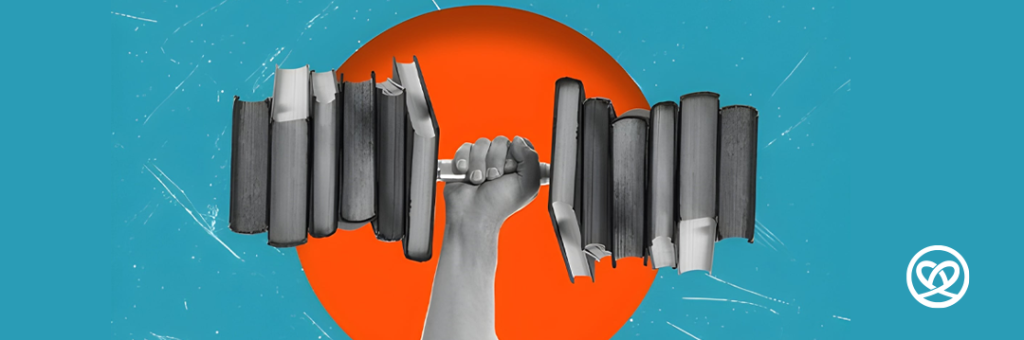
Every time you choose to talk instead of holding it in, or calm yourself instead of shouting back, you are building emotional muscles. Peace does not mean your home is perfect. It means your heart learns how to stay steady, even when things around you are not. And one day, that peace will help you build a better, healthier future — for yourself and the family you will have someday.



Responses