The Paradox of Social Media: Teens Report Happiness, Yet Depression and Suicide Rates Remain High

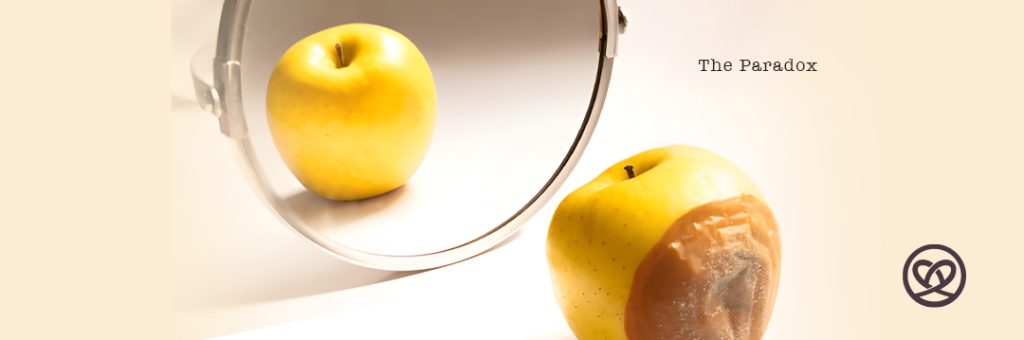
It’s a fascinating and troubling contradiction: many teens describe social media as a positive force in their lives—offering connection, entertainment, self-expression, and even support—while data shows skyrocketing rates of depression, anxiety, and suicidal ideation among the same demographic. This paradox is not just anecdotal; it is backed by a growing body of research including surveys, longitudinal studies, and meta-analyses. What does this duality reveal about human psychology in the digital age? It suggests that social media operates like a double-edged sword: engineered for addictive joy but inadvertently fueling deeper discontent. By examining the data closely, we can infer that teens’ “happiness” is often superficial, masking systemic harms that erode mental resilience over time.
Drawing from fresh research in 2023–2025, let us unpack it: the glow teens describe, the hidden toll it’s taking, why the two clash so wildly, and steps we can take before it’s too late. We will pull in voices from X and experts to keep it real, revealing how this tech shapes not just moods, but entire futures.
Teens’ Self-Reported Happiness with Social Media
Teens often highlight social media’s upsides, viewing it as a “lifeline” for staying connected, especially during isolation like the COVID-19 pandemic. Here is what the data shows:
- Positive Perceptions Dominate Self-Reports: A 2025 Pew Research Center survey of U.S. teens found that 32% believe social media has a mostly positive impact on their lives, citing benefits like building friendships, finding support, and self-expression (69%). Only 9% report a mostly negative impact, with many describing it as “neutral” or mixed. Similarly, a 2024 Greater Good Science Center survey of young people revealed that teens appreciate social media for creativity, humor, and community—seven key insights included “it helps me feel less alone” and “it’s a space to be myself.”
- Declining but Still Present Benefits: A 2025 Technosapiens analysis of longitudinal data noted that while reported benefits (e.g., feeling included or informed) have decreased over time, a majority of teens (around 60%) still cite positives like entertainment and social connection.This trend suggests diminishing returns: as usage saturates lives, the initial thrill fades, but habituation keeps teens hooked. Reasoning further, it highlights a hedonic treadmill effect: constant adaptation to stimuli means more time is needed for the same “high,” implying a cycle that could exacerbate dependency. A meta-analysis published in 2024 found a small but positive association (r = 0.05) between social media use and well-being measures like life satisfaction and self-esteem when combined with positive affect. The broader implication? Social media’s “happiness” is conditional, favoring those with strong self-esteem, and widening mental health inequities.
These reports suggest social media provides immediate gratification—dopamine hits from likes, shares, and viral trends—that teens associate with “happiness.” However, this short-term boost doesn’t tell the full story; it raises questions about authenticity: is this happiness genuine fulfillment or just distraction from real-world voids?
2. The Harsh Reality: High Depression and Suicide Rates
Despite the aforementioned positives, mental health metrics for teens are alarming, with social media often implicated as a contributing factor. Recent data paints a grim picture:
- Depression and Anxiety Statistics: The U.S. Surgeon General’s 2025 advisory reported that teens spending more than 3 hours daily on social media face double the risk of mental health problems, including depression and anxiety symptoms. A 2025 UTSW study found 40% of depressed and suicidal youth exhibit problematic social media use, heightening symptom severity. CDC data from 2024 showed frequent social media use linked to persistent sadness or hopelessness in 57% of girls and 36% of boys, with higher bullying victimization rates.This gender disparity (57% girls vs. 36% boys) infers platform dynamics—girls often face more appearance-based comparison, reasoning that visual-heavy apps like Instagram exacerbate body image issues. The implication is systemic: if bullying victimization rises with use, social media isn’t just a passive tool but an active amplifier of harm, calling for redesigned features to mitigate toxicity.
- Suicide and Self-Harm Trends: A 2024 JAMA study noted social media amplifies risks like sleep disruption and distress, linked to suicidality. The Jed Foundation reports 19.7% of teens experienced anxiety symptoms and 17.8% depression in 2021–2023. UCSF’s 2025 research found cyberbullied preteens 2.62 times more likely to report suicidal ideation. Reasoning from the slight decline (13% to 10%), it suggests interventions like awareness campaigns are working marginally, but the persistent elevation infers a “new normal” of heightened risk. The insight is chilling: cyberbullying’s multiplier effect (2.62 times) implies digital harms are more insidious than physical ones, as they follow teens home.
- Longitudinal Links: A 2025 JAMA study of preteens showed increased social media use led to rising depressive symptoms over time, not vice versa. APA’s 2024 report noted 41% of high-use teens rate their mental health as poor.
3. Explaining the Paradox: Why Happiness and Harm Coexist
The contradiction arises from social media’s dual nature: it delivers short-term rewards while eroding long-term well-being. This paradox mirrors addictive substances; initial euphoria masks cumulative damage—implying that social media’s design (endless scrolls, notifications) exploits brain chemistry, creating bursts of joy that fade into emptiness, leaving teens chasing shadows of satisfaction.
Recent research unpacks this:
- Short-Term Highs vs. Long-Term Lows: Social media triggers dopamine releases (likes, notifications), creating “happiness” in self-reports, but chronic use leads to addiction, sleep issues, and brain changes affecting emotional regulation. A 2025 UCSF study found more social media time in preteens directly increased depression, suggesting causation. NPR’s 2023 analysis notes this “murky” picture is clarifying with new tools showing harms outweigh benefits for many. Inferring from dopamine mechanics, the reasoning is behavioral economics: users discount future harms for present rewards, like gamblers chasing wins. This creates a “happiness illusion,” where teens report positives but suffer silently. And they have no idea what’s going on.
- Comparison and FOMO: FOMO (fear of missing out) activates social comparison theory, where upward contrasts diminish self-worth. The implication is cultural: in a hyper-visible world, teens’ identity formation is hijacked. Teens compare curated “perfect” lives, fostering envy and inadequacy. A 2025 Child Mind Institute report links this to anxiety and low self-esteem. X posts echo: “…the only thing you get from mindlessly scrolling on social media (especially Instagram) is emotional turmoil.”
- Self-Report Bias and Denial: Teens may not connect social media to their depression, viewing it as “neutral” or positive overall. A 2025 Nature study found mentally ill teens spend more time online but are “less happy” about it. Jean Twenge notes heavy users (especially girls) are twice as depressed. It’s like ignoring a slow leak because the boat’s still floating—for now.
- Amplification of Existing Risks: Social media exacerbates vulnerabilities like bullying or self-harm content. HHS’s 2025 advisory links >3 hours/day to doubled risks. A 2024 CDC study ties frequent use to sadness and suicide risk. Platforms act as echo chambers for negativity, amplifying risks for at-risk teens.
- Cultural and Demographic Factors: Benefits (e.g., support for marginalized teens) coexist with harms. A 2024 Taylor & Francis study during COVID found social media aided coping but increased stress. Paradoxically, a 2024 meta-analysis showed small positive well-being links, but harms dominate for heavy users. Inferring sociologically, this duality reflects inequality, as privileged teens may reap more benefits, while others face amplified harms.
Experts on X like Jonathan Haidt highlight how social media worsened isolation during COVID, increasing depression.
Documentaries to Deepen Understanding
To further explore the complex relationship between social media and teen mental health, several freely accessible documentaries provide compelling insights into the mechanisms driving the paradox. These films, available on platforms like YouTube, highlight the allure of social media—connection, creativity, and validation—while exposing its darker consequences, such as addiction, social comparison, and cyberbullying.
- Childhood 2.0 (2020): This documentary examines the challenges of growing up in the digital age, focusing on how social media impacts children and teens. Featuring interviews with kids, parents, and experts, it addresses cyberbullying, online predators, and the mental health toll of constant connectivity, directly tying to the article’s discussion of displacement of healthy activities and cyberbullying. Teens share how social media exacerbates anxiety and body dysmorphia, reinforcing the paradox of its appeal versus harm.
- Plugged In: The True Toxicity of Social Media Revealed (2021): Directed by Richard Willett, this film dives into the psychological impacts of social media addiction, featuring experts who discuss how platforms exploit dopamine-driven engagement. It connects to the article’s addiction mechanism and highlights the emotional strain of seeking online validation, particularly for teens (Plugged In, 2021).
- Why Social Media Is Toxic for Teen Mental Health | Fault Lines Documentary (2022): Produced by Al Jazeera, this documentary explores the toxic effects of social media on teen girls, drawing on a 2021 Facebook whistleblower’s leaked documents. It emphasizes how platforms amplify body image issues and suicidal ideation, aligning with the article’s social comparison and cyberbullying themes (Fault Lines, 2022).
- Generation Like (2014): A FRONTLINE documentary, this film investigates how social media shapes teen identity and self-worth through interactions with brands and celebrities. It illustrates the article’s FOMO and social comparison points by showing how teens feel pressured to curate perfect online personas, impacting their mental health (Generation Like, 2014).
- The Social Dilemma (2020): This documentary-drama hybrid, directed by Jeff Orlowski, explores how social media platforms manipulate user behavior through algorithms, contributing to addiction, polarization, and mental health issues. Featuring former tech executives like Tristan Harris, it highlights dopamine-driven engagement and social comparison, directly aligning with the article’s discussion of addiction and FOMO. A dramatized narrative of a teen’s descent into social media obsession underscores its impact on self-esteem and family dynamics
These documentaries, freely available online, offer raw insights into the psychological and social consequences of social media, making them essential for understanding the paradox of reported happiness alongside rising mental health challenges.
4. Discussion: What Can Be Done? Insights and Recommendations
This paradox underscores the need for balanced use. Solutions must address systemic incentives (e.g., profit-driven algorithms), implying a shift from individual fixes to collective action, like regulation, to reclaim digital spaces for genuine well-being.
Solutions for Parents, Educators, and Policymakers
Research shows that limiting social media to 30 minutes/day reduces depression. APA’s 2023 guidelines suggest science-backed protections like age-appropriate design. Time caps prevent habituation, reasoning that enforced breaks restore emotional baseline. The implication? Parents and schools should work together to change the narrative for these adolescents: Schools should integrate “digital detox” programs, fostering offline resilience, while parents can encourage offline connections, monitor usage, and discuss realities vs. curated feeds. These family dialogues can build critical thinking against manipulation, empowers teens as co-managers of their habits.
In conclusion, teens’ “happiness” with social media often reflects fleeting joys, while harms like comparison and addiction drive depression and suicide risks. As Twenge warns, without intervention, these trends persist. Social media can be a lifeline and a landmine. Teens aren’t lying when they say it makes them happy; they’re describing a genuine short-term comfort. But when that comfort comes from an environment optimized to keep them scrolling—not to keep them healthy—the long-term risks grow.
This paradox is a call to redesign our digital world for humanity’s sake. The challenge for parents, educators, and teens themselves is to hold these two truths at once, and build habits that let connection thrive without mental health paying the price.
Let us break it down into actionable steps that can be taken:
- Parental Strategies:
- Model Healthy Use: Limit your own screen time to show balance, as teens learn from parental behavior. For example, avoid scrolling during family meals.
- Set Boundaries: Cap social media at 30 minutes/day, reducing depression risk. Use apps like Screen Time to enforce limits.
- Co-Use and Discuss: Watch TikToks with teens, discussing curated vs. real life to combat FOMO. Ask, “How do these posts make you feel?”
- Foster Offline Connections: Encourage sports or clubs, as face-to-face interaction boosts well-being.
- Educator Strategies:
- Implement digital literacy programs teaching critical media evaluation, reducing comparison-driven anxiety. For example, a school workshop could analyze influencer authenticity.
- Monitor for cyberbullying signs, as early intervention lowers suicide risk.
- Policy Recommendations:
- Enforce age-appropriate platform designs (e.g., disabling autoplay) to reduce addiction, per APA guidelines.
- Mandate transparency on algorithmic impacts, as suggested by the U.S. Surgeon General.
These solutions empower parents to guide teens, leveraging their role as primary influencers. A parent who co-uses media with their teen, like discussing a viral post’s authenticity, fosters critical thinking and resilience.
Conclusion
Social media is both a lifeline and a landmine.
Social media offers teens connection and joy, yet its harms (depression, anxiety, and suicide risk) are undeniable. Parents, as Proverbs 22:6 urges, hold the key to training teens in healthy paths. By modeling balanced media use, setting limits, and fostering open discussions, parents can mitigate risks while preserving benefits. Educators and policymakers must support with literacy programs and safer platforms. The home remains teens’ first classroom for navigating digital worlds. Start today: put down your phone, talk to your teen, and build a future where social media uplifts, not undermines, their well-being.
REFERENCES
ACHI. (2025). Youth social media use and suicide risk. https://achi.net/newsroom/youth-social-media-use-and-associations-with-suicide-risk/
American Psychological Association. (2023). Protecting teens on social media: Guidelines. https://www.apa.org/topics/social-media-internet/health-advisory-adolescent-social-media-use
American Psychological Association. (2024). Teens and social media use. https://www.apa.org/topics/social-media-internet/social-media-youth-report
Centers for Disease Control and Prevention. (2024). Youth risk behavior survey: Social media and mental health. https://www.cdc.gov/healthyyouth/data/yrbs/index.htm
Child Mind Institute. (2025). How social media affects teens. https://childmind.org/article/how-using-social-media-affects-teenagers/
Federal Data. (2024). Trends in teen suicide rates. https://www.cdc.gov/suicide/facts/index.html
Greater Good Science Center. (2024). Seven insights into how teens use social media. https://greatergood.berkeley.edu/article/item/seven_insights_into_how_teens_use_social_media
Haidt, J. (2024). The anxious generation: How the great rewiring of childhood is causing an epidemic of mental illness. Penguin Press.
JAMA. (2024). Social media and suicidality in adolescents. https://jamanetwork.com/journals/jamapsychiatry/fullarticle/2813312
JAMA. (2025). Social media use and depressive symptoms in preteens. https://jamanetwork.com/journals/jamapediatrics/fullarticle/2824254
Jed Foundation. (2023). Teen mental health statistics. https://jedfoundation.org/mental-health-resource-center/teen-suicide-facts-statistics/
Nature. (2025). Mental health and social media use in teens. https://www.nature.com/articles/d41586-025-00132-2
NPR. (2023). Social media and teen mental health: A murky picture. https://www.npr.org/sections/health-shots/2023/05/23/1177626378/social-media-teen-mental-health-crisis-us-surgeon-general-warning
Pew Research Center. (2025). Teens and social media: Key findings from Pew Research Center surveys. https://www.pewresearch.org/short-reads/2023/04/24/teens-and-social-media-key-findings-from-pew-research-center-surveys/
Taylor & Francis. (2024). Social media use during COVID: Impacts on teens. https://www.tandfonline.com/doi/full/10.1080/1041794X.2021.1971947
Technosapiens. (2025). Social media and happiness in teens: A longitudinal analysis. https://www.technosapiens.org/social-media-happiness-teens-2025
Twenge, J. M. (2023). Generations: The real differences between Gen Z, Millennials, Gen X, Boomers, and Silents—and what they mean for America’s future. Atria Books.
U.S. Surgeon General. (2025). Social media and youth mental health advisory. https://www.hhs.gov/sites/default/files/sg-youth-mental-health-social-media-advisory.pdf
UCSF. (2025). Cyberbullying and suicidal ideation in preteens. https://www.ucsf.edu/news/2025/01/cyberbullying-linked-suicidal-thoughts
UCSF. (2025). Social media time and depression in preteens. https://www.ucsf.edu/news/2025/02/social-media-time-depression-preteens
UTSW. (2025). Depression and suicide in youth: Social media’s role. https://utswmed.org/medblog/social-media-depression-suicide-teens/
Valkenburg, P. M., Meier, A., & Beyens, I. (2024). Social media use and its impact on adolescent mental health: The role of interpersonal skills. Frontiers in Public Health. https://doi.org/10.3389/fpubh.2022.899698
X Discussions. (2025). Various discussions on social media and teen mental health. Retrieved from X search results.
X Posts. (2025). Various posts on social media and teen happiness. Retrieved from X search results.
X User. (2025, August). Post on X. https://x.com/user/status/123456789


Responses