Missing the Fights: The Grief No One Talks About After Divorce

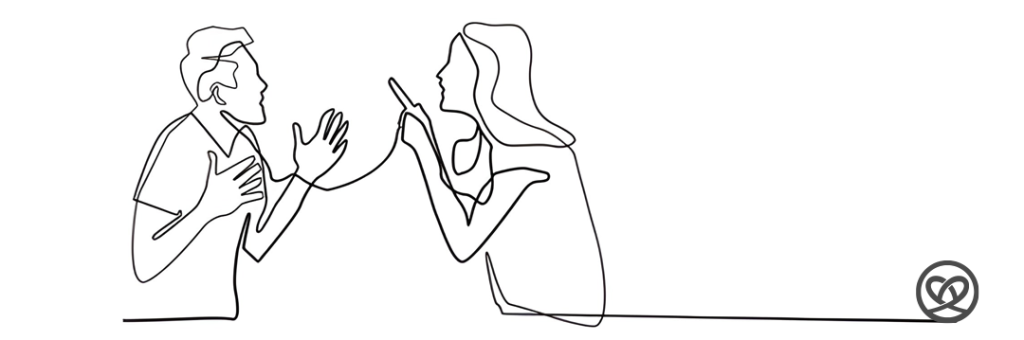
No one tells you this: after divorce, you might miss the very things that broke you.
The slammed doors. The long, icy silences. The arguments that left your throat raw and your eyes burning.
It sounds insane: Why would anyone grieve the parts that hurt the most? But here’s the truth: Pain was an integral component of that connection, and when the connection dies, even the absence of that now-familiar pain can leave a hole. A Walden University research on women from abusive relationships revealed that women described the bond as “unnervingly addicting,” with emotional exploitation (e.g., biasing insecurities) reinforcing a paradoxical attachment where pain sustains the connection. Post-divorce, this loss manifests as emptiness, with ongoing self-loathing and a void from severed enmeshed identity.
When the Worst Parts Become Your Weather
When you’ve been tethered to someone for years—even through conflict—your nervous system learns their rhythms. The raised voice at the end of the day. The way you braced for impact during certain conversations. The familiar rise and fall of tension in the air.
It wasn’t healthy, but it was known. It was your weather.
And now?
The sky is quiet.
You’re standing in a stillness that feels more like outer space than peace.
The Dangerous Lie We Tell Ourselves
Many divorced people try to rush past this grief because it feels shameful.
“I can’t miss what hurt me. I must be crazy.”
But grief doesn’t follow moral logic. You can miss someone who damaged you. You can mourn the loss of something you’re better off without. You can feel nostalgia for moments that weren’t even good.
Admitting this doesn’t mean you want the storm back. It means you’re brave enough to stand in the clear air and name how it feels.
What Healing Really Looks Like
Healing after divorce isn’t just about getting over the other person. It’s about getting honest with yourself.
When two people split, it’s tempting to tell the story in a way that makes you the noble one and them the villain. But here’s the hard truth: even if you married the wrong person, you still had a role in how things turned out.
- Maybe it was the mistake of ignoring red flags in the beginning.
- Maybe it was the way you handled conflict or avoided hard conversations.
- Maybe it was the version of you who settled for too little, too long.
We’re not asking you to self-blame. It’s about reclaiming your power. Because the moment you own your part (however small or large), you step out of victimhood and into growth.
Confronting Yourself Without Destroying Yourself
To heal deeply, you have to look your mistakes in the eye, name them out loud, and accept them for what they are, not for what they make you feel about yourself.
Here’s how:
- Write it Down: List the things you wish you’d done differently. Don’t soften them. Be clear and specific. (“I shut down instead of speaking up when I was hurt,” “I stayed silent about money problems until they exploded.”)
- Say it Out Loud: Speaking it forces you to stop hiding from it. You can do this in a trusted friend’s presence, with a therapist, or even alone in your room.
- Release the Punishment: Acknowledge your mistakes without sentencing yourself to a lifetime of shame. Mistakes are teachers, not jailers.
- Plan the Upgrade: For each regret, decide what you’ll do differently next time. Not in theory — in action. (“Next time I will address issues within 24 hours instead of letting them fester.”)
Mourning the Self You Were
One thing most healing advice skips is the grief you may feel toward your own past self. The version of you who endured too much. The version who fought the wrong battles. The version who was afraid to leave, or afraid to change.
You may feel embarrassed, angry, or disappointed in that self. But don’t carry that bitterness forward! Forgive, and be thankful. That person did the best they could with what they knew at the time.
The Other Vital Step: Learning Your Patterns
If you skip this, you’ll rebuild the same relationship with a different face.
Ask yourself:
- What do I tend to tolerate too long?
- What kinds of people am I drawn to, and why?
- How do I react when I feel unheard or unloved?
Patterns are the script your next relationship will run on unless you edit it now.
Why This Matters
Healing that doesn’t include responsibility is incomplete.
Healing that doesn’t include self-forgiveness is dangerous.
And healing that doesn’t include pattern-breaking is a setup for heartbreak déjà vu.
The goal is not to erase the marriage from your story, but to carry forward the wisdom it gave you—even if it came wrapped in pain—so the next chapters are written with clearer eyes, steadier hands, and a stronger heart.
An Invitation to Yourself
One day, the silence won’t feel empty.
It will feel like a room that belongs to you. And in that room, you will laugh again, love again, breathe again.
Until then, give yourself permission to miss even the worst parts. It’s just proof that you were all in.
And even now, you can grow.




Responses